
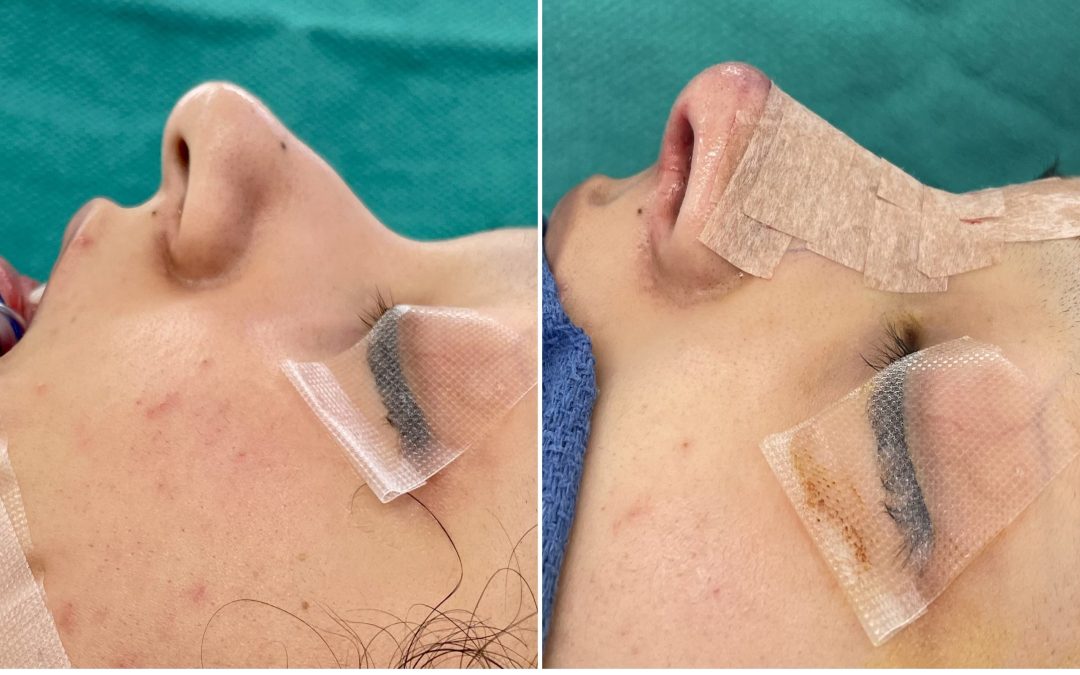
Scarless rhinoplasty recovery and infection prevention
Scarless rhinoplasty in Los Altos and San Jose CA offers a refined look with minimal scarring, but proper aftercare prevents infection.
Imagine this: You’ve just undergone a rhinoplasty, and you’re excited about the results. You’ve carefully followed the aftercare instructions, making sure to clean the incision area and keep it dry. But then, a few days later, you notice something strange—redness, swelling, or even pus around your incision. You start to panic, wondering if you’ve done something wrong. What should you do?
Post-surgery care is essential for a smooth recovery. The last thing anyone wants is an infection, especially after a procedure like scarless rhinoplasty, which is designed to leave as little visible scarring as possible. But what happens if despite your best efforts, infection signs start showing up? Let’s break down how to care for your incisions and what steps to take if things don’t seem right.
Proper Incision Care: The First Step to Prevent Infection
After undergoing a rhinoplasty or any surgery, taking care of your incisions is crucial to avoid infections that can derail your healing process. Here are some essential tips for post-surgery incision care:
- Keep the Area Clean
The first rule of wound care is to keep the area clean. Bacteria thrive in dirty environments, which can lead to infection. Use mild soap and lukewarm water to gently cleanse the area around your incisions, avoiding direct contact with the incision itself until your surgeon clears you to do so.
- Apply Antibiotic Ointment
Once the area is clean, your doctor may advise applying a thin layer of antibiotic ointment to the incision site. This helps protect the incision from infection by creating a barrier between the wound and harmful bacteria. Make sure to follow your doctor’s instructions regarding which ointment to use and how often to apply it.
- Keep the Incisions Dry
Moisture can promote bacterial growth, so it’s essential to keep your incisions dry. After cleaning and applying ointment, make sure the area is completely dry before covering it. If your surgeon advises using any dressing or bandages, change them regularly to prevent moisture buildup.
- Avoid Touching the Area
Your hands carry germs, and touching the incision can introduce bacteria. Avoid touching the area unless you need to clean it, and always wash your hands thoroughly before doing so. If you must touch the incision, ensure your hands are sanitized and clean.
- Stay Out of Direct Sunlight
Sun exposure can damage healing tissue and make scarring worse. If your incision is near a visible area, such as the nose, ensure you wear sunscreen or protective clothing when stepping outside. Even better, avoid direct sun exposure altogether until your doctor gives you the green light.
- Follow Your Doctor’s Aftercare Instructions
Your surgeon’s aftercare instructions are tailored to your specific procedure, and following them closely is the best way to avoid complications. If your surgeon provides a specific wound care regimen, stick to it without improvising. If you have questions or concerns, don’t hesitate to ask for clarification.
Recognizing Signs of Infection
Even with the best care, infections can sometimes happen. It’s essential to be aware of the signs of an infection so that you can catch it early and prevent it from spreading. Here are the symptoms to look out for:
- Increased redness around the incision site, especially if it spreads beyond the immediate area
- Excessive swelling that doesn’t subside after a few days
- Pus or discharge coming from the incision
- Fever or feeling generally unwell
- Pain that becomes more intense over time instead of improving
If you notice any of these symptoms, it’s important to take action immediately. Even if you’re not sure whether it’s an infection, it’s better to be safe and consult your surgeon.
What to Do If Signs of Infection Appear
If you spot signs of infection, here’s what you should do:
- Contact Your Surgeon
The first thing you should do is reach out to your surgeon. They are familiar with your specific case and can provide the best advice. In many cases, a simple phone call can help alleviate your worries and guide you on what steps to take next.
- Don’t Panic
While infection can be serious, it’s not always a cause for immediate panic. Many infections can be treated with antibiotics, and your surgeon will likely recommend a course of action to prevent further complications. The sooner you address the issue, the easier it is to treat.
- Follow the Treatment Plan
If your surgeon prescribes antibiotics or other treatments, follow their instructions carefully. Completing the full course of antibiotics is essential, even if the symptoms start to improve before you’ve finished the medication.
- Avoid Picking or Scratching
It can be tempting to pick at the incision site, especially if it’s itching or uncomfortable, but doing so can worsen the infection. Avoid touching the area and allow the treatment prescribed by your doctor to work.
When to Return to the Surgeon’s Office
In some cases, the infection may not resolve with home care alone, and a return to your surgeon’s office may be necessary. Here are a few instances when you should return to your surgeon:
- If symptoms worsen: If redness, swelling, or pain increases despite following the prescribed aftercare instructions, contact your surgeon immediately.
- If the infection doesn’t respond to antibiotics: In some cases, more intensive treatment may be needed.
- If you develop a fever: A fever often indicates that an infection is spreading, so it’s crucial to have it addressed promptly.
- If you notice unusual discharge or odor: Any unusual signs coming from the incision site should be reported to your surgeon right away.
Scarless Rhinoplasty: Minimizing Scarring and Infection Risks
If you’ve had scarless rhinoplasty, you’re probably concerned about how to minimize any scarring and avoid complications. One of the main benefits of scarless rhinoplasty is that incisions are made inside the nostrils, making them less visible post-surgery. However, even with this technique, proper care is essential to ensure optimal healing and prevent infection.
Since the incisions are hidden, there’s less chance of noticeable scarring, but the same aftercare principles apply. Keeping the incisions clean, dry, and protected will help ensure your scarless rhinoplasty heals smoothly, giving you the results you’re looking for.
After any surgical procedure, proper aftercare is key to preventing infections and promoting quick healing. By following your surgeon’s instructions and being vigilant about signs of infection, you can reduce the risk of complications and enjoy the results of your surgery. If you’re considering a scarless rhinoplasty, make sure to choose a skilled surgeon who understands the nuances of this technique, such as Dr. Harry Mittelman. With the right care and attention, you can achieve your desired results without the worry of complications.
Get scarless rhinoplasty in Los Altos and San Jose CA
Searching for an experienced facial plastic cosmetic surgeon in the Los Altos, San Jose, Palo Alto area? Considering a facelift or rhinoplasty? Call Mittelman Plastic Surgery, which focuses on facial plastic surgery at 650-941-8888 to schedule your consultation.